
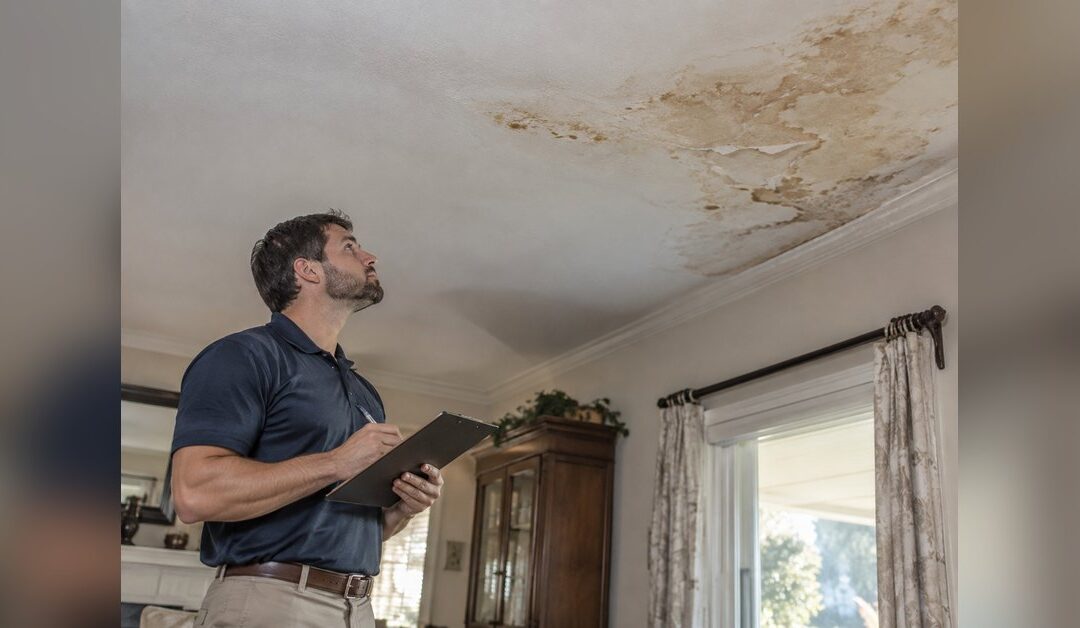
The short answer: no. The adjuster the insurance company sends works for the insurance company. Their report is the company’s position on your claim. It is not a ruling, and Florida law gives you the right to see it, question it, and answer it with your own evidence. This page explains how.
By Edgar Velazquez, Florida public adjuster, license #P140117, Monarch Claims Consultants, Miami.
Here is the moment this page is about. The inspection is over. The adjuster was polite, took photos, and left. A few days later a report or an estimate shows up, and the number is far below what the repairs will cost. You wonder if that is simply how it works. It is not. Below is what the adjuster’s visit actually decides, what it does not, and what you can do next.
WHO THE ADJUSTER WORKS FOR
Florida licenses three kinds of adjusters, and the name tells you who pays them. A company employee adjuster is on the insurance company’s staff. An independent adjuster is hired by the insurance company from an outside firm. Both are licensed, and both are there to figure out what the insurance company should pay under the policy. That is their job, and there is nothing improper about it.
The third kind is the public adjuster. Under section 626.854 of Florida law, the public adjuster is the one licensed to prepare, file, and negotiate a claim on behalf of the policyholder. No one else, apart from an attorney, is allowed to do that for pay. So when people ask whether the adjuster who came out was on their side, the answer is simple. That adjuster was working for the company. The public adjuster is the one who works for you.
WHAT THE REPORT IS, AND WHAT IT IS NOT
The estimate the company sends is its current view of the covered damage. Florida law actually requires the company to say so. Under Florida law, any preliminary or partial estimate must carry a bold notice. The notice says the estimate represents the company’s current evaluation and may be revised as the claim is evaluated. The same law requires the company to send you a copy of any detailed estimate within 7 days after its adjuster generates it. If you have not received one, ask for it in writing.
The report is also not the end of the claim. The insurance company has 60 days after notice of a claim to pay it, deny it, or pay part of it. Whatever it decides, it must give you a reasonable written explanation of the basis in the policy for that decision. And if the payment is less than the company’s own detailed estimate, it must explain that difference in writing too. Read the letter that comes with any payment. If it says the company is continuing to evaluate the claim, that is a required notice, and it means the number is not final.
WHAT YOU ARE ENTITLED TO FROM THE START
Florida’s Homeowner Claims Bill of Rights has to reach you within 14 days after you first report a claim. It lists things you can expect. An acknowledgment of your claim within 7 days. A copy of any detailed estimate within 7 days after the company’s adjuster generates it. Payment, partial payment, or a denial within 60 days. Free mediation of a disputed claim through the Florida Department of Financial Services. And a state helpline for questions about how your claim is being handled.
Two more items help on the day of the inspection. Florida law says the adjuster who inspects your home must give you a printed or electronic document with their name and license number. Later communications about the claim have to carry that name and license number as well. The company also has to keep a log of every adjuster who communicates with you about the claim, and it has to give you that list if you ask. Write the names down. Several adjusters often handle the same claim, and it helps to know whose estimate you are reading.
THE 48 HOUR NOTICE RULE
Section 626.854 of Florida law covers company employee adjusters, independent adjusters, and anyone else acting for the insurance company. Before a meeting with you or an onsite inspection of your property, they must give you at least 48 hours’ notice. You can waive the notice if you want the visit sooner. You can also decline access if the notice was not given. Use that time. Walk the damage yourself first. Have your photos, receipts, and any repair paperwork ready. If you have hired a public adjuster, the notice goes to them too, and they can be there.
One thing to keep in mind. Your policy almost certainly requires you to cooperate with the company’s investigation and to let it inspect the property. The notice rule is about timing and preparation. It is not a reason to refuse an inspection outright.
GOT THE COMPANY’S ESTIMATE AND SOMETHING LOOKS OFF?
Send it to us along with your photos. We will read it line by line at no charge and tell you what is in it, what is not, and whether it is worth answering.
Or call 1 (888) DAMAGE-0
WHY THE COMPANY’S NUMBER AND YOURS CAN BE SO FAR APART
When two estimates for the same loss do not match, the gap usually comes from a few places. The first is scope. One estimate may include the closet behind the wet wall and the other may not. The second is quantity. One may count 40 square feet of drywall and the other 400. The third is what the repair involves. Painting one wall is not the same as painting the room so the color matches. The fourth is pricing, meaning the unit costs used for labor and materials. The fifth is depreciation and how much of it is held back until the work is done.
None of these is a matter of opinion once the damage is documented properly. The gap closes on evidence, not on who sounds more sure. The problem is that most homeowners have nothing to compare the company’s estimate against. That is where Monarch comes in. We inspect the property, measure every room, and write our own itemized estimate in the same professional estimating software the insurance industry uses. You then have two estimates for the same loss, line by line. Every difference between them becomes a specific question the insurance company has to answer. You do not have to go find someone to price the job. Our review costs nothing, and the estimate we write is the one we use to negotiate for you.
HOW TO ANSWER THE ESTIMATE
Put your disagreement in writing. Say which lines you dispute and why. Attach the photos, the plumber’s or roofer’s report, the receipts, and anything else that supports your side. Ask the company to review the items and to send a revised estimate or a written explanation of why each item stays out. Ask for a reinspection if the first one missed rooms or was done from the driveway. Keep a copy of everything you send, and note the date.
This is where a public adjuster brings the most value. Section 626.854 of Florida law requires a public adjuster to give you a written, itemized estimate of the loss within 60 days of signing. It has to break out quantities, materials, labor, and equipment. The same section then requires the insurance company to meet or communicate with the public adjuster to try to reach agreement on the scope of the covered loss. In plain terms, the law requires both sides to go through two estimates, not one. Without a public adjuster, there is only one estimate in the file, and it is the company’s.
We should be clear about one thing. A public adjuster does not decide the claim either. What we do is make sure the damage is fully documented, the estimate is complete, and the company is answering the right questions. If you want to know what that costs, Florida caps our fee at 20 percent of what is recovered. The cap is 10 percent for claims made in the year after a state of emergency declared by the Governor. Nothing is owed on money the company already paid before you hired us. Our page on what a public adjuster is and how they get paid covers the rest.
IF THE CHECK ALREADY CAME
A payment is not automatically the last word. Read the check and the letter with it. If the letter carries the notice that the company is continuing to evaluate the claim and may issue additional payments, that is wording Florida law requires on a partial payment. If it says anything about a full and final settlement or a release, do not sign or deposit until you understand it, and ask the company in writing whether it considers the claim closed.
Florida law also allows a supplemental claim for additional loss or damage from the same event, including costs found while repairs are under way. Under section 627.70132 of Florida law, notice of a supplemental claim has to reach the insurance company within 18 months after the date of loss. If the first payment did not cover what the repairs uncovered, that is the path. Our guide on what to do when the insurance payment is less than the repairs cost walks through it.
IF YOU STILL DISAGREE AFTER ALL THAT
You have options beyond the adjuster. The Bill of Rights lists free mediation through the Department of Financial Services for most disputed residential claims. If the company denied the claim outright, our page on how to dispute a home insurance claim denial in Florida explains the written appeal. Every one of those paths works better when the file going in is complete, and building that file is the public adjuster’s job.
QUESTIONS HOMEOWNERS ASK AFTER THE ADJUSTER LEAVES
What if I don’t agree with the insurance estimate?
You do not have to accept it. The estimate is the insurance company’s position, not a decision you are bound by. Put your disagreement in writing, send the evidence that supports it, and ask for a revised estimate, a written explanation, or a reinspection. Florida law requires the company to explain in writing the basis for what it pays or denies, and to explain any difference between its payment and its own estimate.
Do I have to accept insurance adjusters’ offer?
No. An offer or a payment from the insurance company is where the conversation starts, not where it has to end. You can question the amount, send your own documentation, and ask for a written explanation of how the company reached its number. A public adjuster can prepare an independent estimate of the loss and meet with the insurance company on your behalf to work through the difference.
Is the adjuster the insurance company sends working for me?
No. A company employee adjuster is on the insurance company’s staff, and an independent adjuster is hired by the insurance company. Both are licensed, and both determine what the company should pay under the policy. Under section 626.854 of Florida law, the public adjuster is the licensed professional who represents the policyholder.
Do I legally have to do what this adjuster is requesting?
For most requests, yes. Your policy almost certainly requires you to cooperate with the company’s investigation, let it inspect the damage, and provide the documents it reasonably asks for. Refusing can hurt the claim. What Florida law gives you is timing. Section 626.854 requires at least 48 hours’ notice before an onsite inspection, and you may decline access if that notice was not given. If a request seems unreasonable, ask for it in writing and have a public adjuster look at it before you respond.
How long after an adjuster comes out should I expect to receive an estimate?
Florida law requires the insurance company to send you a copy of any detailed estimate within 7 days after its adjuster generates it. The law does not set a deadline for writing the estimate itself, but the company has 60 days after notice of the claim to pay, deny, or pay part of it, with a written explanation. If more than a week or two has passed since the inspection, ask for the estimate in writing.
How do I get a copy of the adjuster’s estimate?
Ask for it in writing. Florida law requires the insurance company to send you a copy of any detailed estimate within 7 days after its adjuster generates it. The Homeowner Claims Bill of Rights repeats that right. If the company says no detailed estimate was prepared, ask it to confirm that in writing.
Can I find out who the adjuster was and whether they are licensed?
Yes. The adjuster who inspects your property has to give you a document with their name and Florida adjuster license number. Later communications about the claim must carry that information too. The company must also keep a log of every adjuster who communicates with you and give you the list on request. You can check any adjuster’s license through the Florida Department of Financial Services.
What does the notice on a preliminary estimate mean?
Florida law requires any preliminary or partial estimate to carry a bold notice that it represents the company’s current evaluation of the covered damage and may be revised. It means the estimate is a working number, not a final one. Florida law requires the same kind of notice on any payment that is not the full and final payment.
If I cash the check, is my claim over?
Not necessarily, but read everything first. Many payments come with a required notice that the company is continuing to evaluate the claim and may pay more. If the check or letter mentions a full and final settlement or a release, ask the company in writing what it means before you sign or deposit. Florida law also allows a supplemental claim for damage found later, with notice due within 18 months after the date of loss.
Should I hire a public adjuster before or after the insurance company’s inspection?
Either works, and before is easier. A public adjuster who is hired first can document the damage before anyone else sees it, receive the 48 hour inspection notice, and be present for the company’s visit. Hired after, the public adjuster still inspects the property, writes an itemized estimate, and meets with the insurance company on the scope of the loss. Florida law requires the company to take that meeting.
ONE SET OF NUMBERS IS NOT A NEGOTIATION
If the only estimate on your claim is the insurance company’s, let us put a second one on the table. The review is free, and you decide what happens after.
Put a second estimate on the table
1 (888) DAMAGE-0 | (305) 972-2034 (Direct)
This page is general information about the Florida property claims process as of the date it was published. It is not legal advice, and it is not a coverage opinion on any particular claim. Policies differ, and so do the facts of every loss, so read your own policy and speak with a licensed professional about your situation.
Edgar Velazquez, Florida public adjuster license #P140117. Monarch Claims Consultants, Inc., Miami, Florida.
THIS IS A SOLICITATION FOR BUSINESS. IF YOU HAVE HAD A CLAIM FOR AN INSURED PROPERTY LOSS OR DAMAGE AND YOU ARE SATISFIED WITH THE PAYMENT BY YOUR INSURER, YOU MAY DISREGARD THIS ADVERTISEMENT.